Defensive Structures | Science for Kids


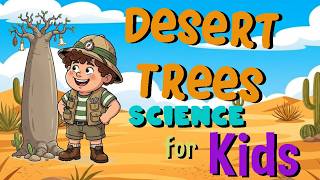


Defensive Structures | Science for Kids with tags defensive structures for kids, animal defences for kids, animal adaptations kids, how animals protect themselves, turtle shell facts kids, porcupine quills facts, exoskeleton for kids, pangolin facts kids, animal armour kids, science for kids, educational videos for kids, kids science, easy science for kids, shells and spines kids, animal survival kids, stonefish facts kids, little school tv, littleschooltv, animal protection structures, animal defence mechanisms
#defense
Some animals have no claws, no venom, and no speed - so they grew their protection directly on their bodies. Shells. Plates. Spines. Horns. Scales.
Each one solves the same problem in a completely different way.
In this video we break down the main types of defensive structures in the animal world - how turtle shells actually work, why porcupine quills are so hard to remove, what an exoskeleton is, and why the pangolin might have the most effective body armor on Earth.
What you'll learn:
- Why a turtle's shell is part of its skeleton - not something it carries
- How porcupine quills work (and why the "they can shoot them" myth is wrong)
- What an exoskeleton is and why moulting leaves an animal defenseless
- How pangolin scales lock into a ball that even a lion can't open
- The stonefish - 13 venomous spines, zero aggression
0:21 - No claws, no speed - how do you survive?
1:03 - Shells and Armor
2:05 - Spines and Quills
2:47 - Horns. Antlers and Exoskeletons
3:52 - Scales and Pangolins
4:23 - Fun Facts about Defensive Structures